London Travel Zones And Daily Caps: What They Mean For Where You Stay
A £14 dorm bed in Zone 2 and a £49 hotel room in Zone 1 are only half the cost picture. The other half is what you pay to move around, and TfL's daily caps make that half predictable.
Short answer
TfL's published daily pay-as-you-go caps are £8.90 for Zones 1-2, £10.50 for Zones 1-3, £12.80 for Zones 1-4 and £16.30 for Zones 1-6. On the roster, a Zone 3 hotel room from £53 plus the Zones 1-3 cap can still undercut many Zone 1 rooms once nightly rates are compared over a full stay.
London is divided into six fare zones for the purposes of paying for transport, and that division quietly changes which budget stay is actually the cheapest one for your trip. The nightly rate on the listing is only part of the cost. The other part is what you pay each day to get from your bed to wherever you spend your day, and Transport for London caps that daily spend at fixed amounts depending on which zone combination you travel through. This guide works through the zones as this site's roster uses them, lists the published TfL caps, and runs the arithmetic on real sampled rates, including the Stratford budget hotel from £53 per night that anchors the worked example below.
How Do London Travel Zones Work?
London's transport fare zones are concentric rings numbered 1 to 6, with Zone 1 covering the centre. Every Tube, DLR, Overground and National Rail station belongs to one or more zones, and the price of a pay-as-you-go journey depends on the zones you pass through, not the distance. Where you sleep therefore sets a floor on your daily travel bill before you have gone anywhere.
On this site's roster of 42 stays, the zone field runs from Zone 1 to Zone 3, with a few stays recorded as combinations such as Zone 1+2 or Zone 2+3 because their nearest station sits on a boundary. A stay recorded as Zone 2+3, such as the capsule-style rooms at Zedwell Greenwich, means journeys into the centre cross a boundary on many routes, and the cap that applies to your day is the one covering every zone you touch. That is why the zone field sits beside the price in every row: the two numbers together, not the price alone, tell you what a night away actually costs.
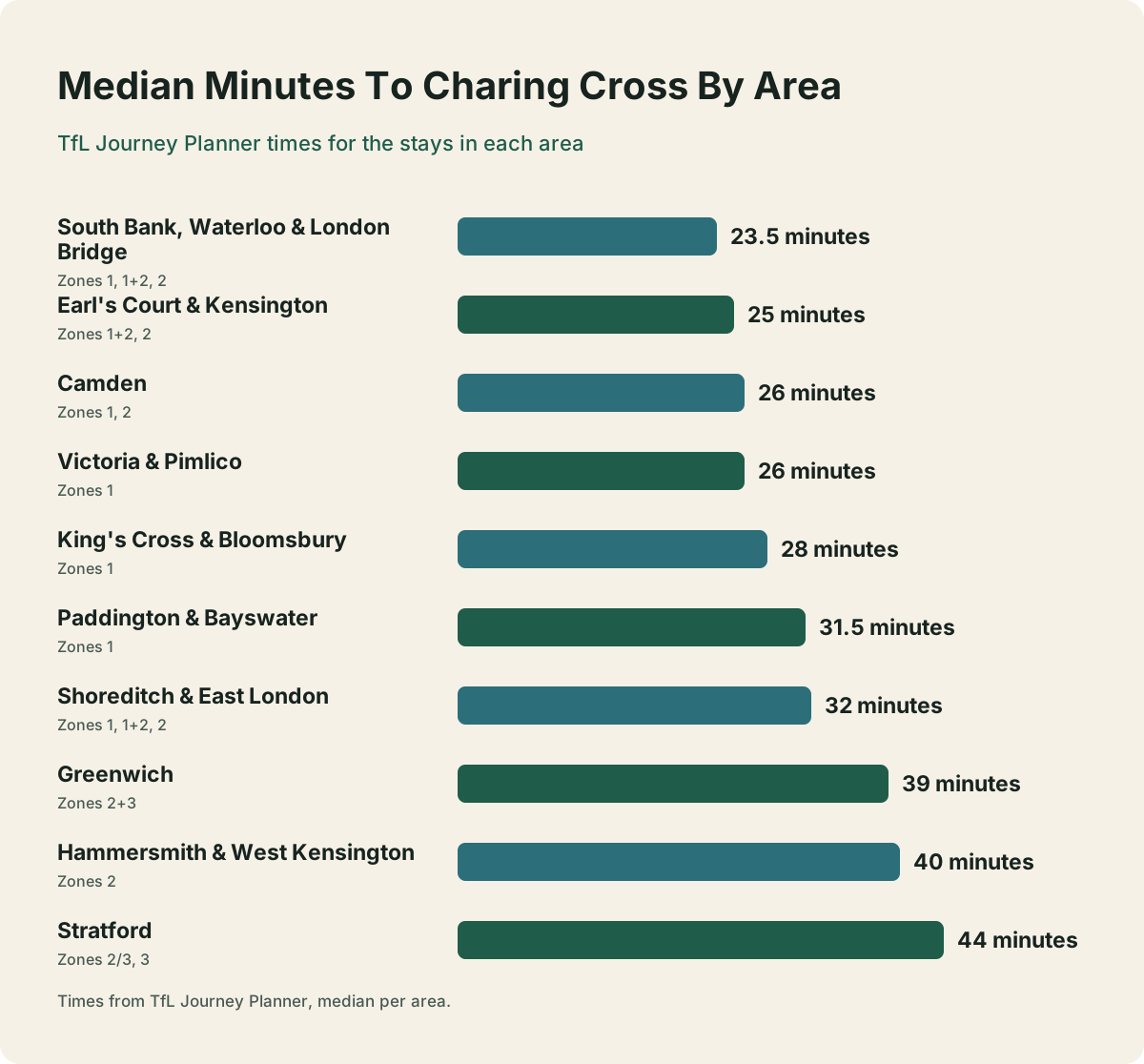
One habit worth breaking early is treating Zone 1 as automatically better. The roster's minutes-to-Charing-Cross figures, each calculated with the TfL Journey Planner as the fastest public transport option for a journey starting at 10:00 on a weekday, show several Zone 2 stays beating Zone 1 stays on reach. Palmers Lodge in Swiss Cottage is Zone 2 and 32 minutes to Charing Cross, while Urbany Hostel London in Bayswater is Zone 1 and 34 minutes. The zone number is a fare fact, not a convenience fact, and the next sections treat it as one.
| Zone coverage on the roster | Example areas | Example roster stays | Lowest sampled dorm bed | Lowest sampled private room |
|---|---|---|---|---|
| Zone 1 | Bayswater, King's Cross, Borough, Victoria | Generator London, Dolphin Hotel, St Christopher's London Bridge | £15 | £49 |
| Zone 1+2 or boundary stays | Earl's Court, Elephant & Castle, Shoreditch | Mowbray Court Hotel, Safestay Elephant & Castle, Central Hoxton | £20 | £76 |
| Zone 2 | Swiss Cottage, Camden Town, Hammersmith, Bow | Palmers Lodge, Smart Camden Inn, Star Hotel | £14 | £72 |
| Zone 2+3 or Zone 3 | Greenwich, Deptford, Stratford, Forest Gate | Zedwell Greenwich, Staycity Deptford Bridge, Epsilon Hotel | Not sampled | £53 |
The pattern in that table is the whole argument of this guide in one view: dorm beds cluster at £14 to £20 regardless of zone, while private rooms drop noticeably once you leave Zone 1, and the travel cap only rises by £1.60 a day between the Zones 1-2 and Zones 1-3 caps. If you are curious how the price map looks by neighbourhood rather than by fare ring, the cheapest areas to stay in London guide breaks it down area by area.
How Much Does Daily Travel Cost Within Each Zone Combination?
Daily pay-as-you-go travel across Tube, DLR, Overground, Elizabeth line and National Rail services is capped at £8.90 for Zones 1-2, £10.50 for Zones 1-3, £12.80 for Zones 1-4 and £16.30 for Zones 1-6, with matching weekly caps of £44.70, £52.50, £64.20 and £81.60. Once you hit the daily cap, every additional journey that day is free, fixing your maximum spend.
These figures are as published on TfL's fare capping page, and the standing advice is simple: check TfL for current fares before you travel, because caps and single fares are adjusted periodically. The way capping works matters for budget planning. You tap in with the same contactless card or Oyster card all day, and the system stops charging you once your taps reach the cap for the zones you have touched. There is no cheaper ticket you need to find; the cap finds you.
| Zones travelled | Daily anytime cap | Monday-to-Sunday weekly cap | Roster stays this applies to |
|---|---|---|---|
| Zones 1-2 | £8.90 | £44.70 | Most of the roster: Generator London, Smart Camden Inn, Star Hotel and the rest of Zone 1 and Zone 2 |
| Zones 1-3 | £10.50 | £52.50 | Epsilon Hotel, Hotel DC, Snoozebox Olympic Park, Zedwell Greenwich, Staycity Deptford Bridge |
| Zones 1-4 | £12.80 | £64.20 | No roster stay requires this; only if you head further out during the day |
| Zones 1-6 | £16.30 | £81.60 | Only for airport-area days; the roster has no airport stays |
The daily cap is a ceiling, not a flat fee. A day with two short Zone 1 Tube rides might cost less than the cap. The cap is the right number for planning because most visitors' days involve enough movement to reach it, and because it is the worst case you can be charged for a day of ordinary Zone 1-2 travel.
The stays that sit at the edge of the price argument are the outer ones, and they are worth keeping in view while the arithmetic is still abstract.
Between the caps and the sampled rates, the whole question of which area is cheapest becomes a subtraction problem rather than a feeling, and the next section runs it with real rows from the roster. The method is the thing to take away: add your room rate to the cap that your zone requires, and compare those totals rather than the room rates alone.
Zone 3 Versus Zone 1: The Worked Cost Comparison
The Zone 1 option wins this comparison: the Dolphin Hotel in Paddington costs from £49 per night against £53 for the Stratford hotel in Zone 3, and once daily caps are added, the Zone 1 total stays lower because its rate is lower and its cap smaller. With the caps differing by only £1.60, a Zone 3 room must be more than £1.60 cheaper per night to pay for its own travel.
That last sentence is the portable rule. The Zones 1-3 cap exceeds the Zones 1-2 cap by £1.60 a day. Any Zone 3 private room priced more than £1.60 below a comparable Zone 1 room on the same dates is genuinely cheaper, all travel included, assuming you reach the cap most days. If you travel lightly, some days under the cap, the outer room's advantage shrinks toward zero, because the inner room's travel cost also shrinks.
Now run it across the roster's cheapest private rooms in each band, using each stay's lowest sampled rate and the cap its zone requires. These are the lowest rates on the dates sampled, one-night check-ins on the third Wednesday of each month, and live rates vary by date and availability. The table gives the two components side by side so you can add them for the nights you actually plan to stay.
| Stay | Area and zone | Lowest sampled room rate | Cap that applies |
|---|---|---|---|
| Dolphin Hotel | Paddington, Zone 1 | £49 | £8.90 Zones 1-2 |
| Hotel DC | Forest Gate, Zone 3 | £53 | £10.50 Zones 1-3 |
| Epsilon Hotel | Stratford, Zone 3 | £65 | £10.50 Zones 1-3 |
| Snoozebox Olympic Park | Stratford, Zone 2/3 | £66 | £10.50 Zones 1-3 |
| Star Hotel | Hammersmith, Zone 2 | £72 | £8.90 Zones 1-2 |
| Prince Arthur | Euston/Camden, Zone 1 | £79 | £8.90 Zones 1-2 |
Read the table and the story complicates in an instructive way. The cheapest Zone 3 rooms do not beat the cheapest Zone 1 room once caps are added, because Dolphin's £49 is unusually low for Zone 1, and every Zone 3 row in the table also carries the larger cap. But the Zone 3 and boundary rooms sit close to mid-table while offering, on several rows, more space or family capacity. Meanwhile the £1.60 rule keeps working in the middle of the pack: Star Hotel in Zone 2 Hammersmith at £72 uses the cheaper Zones 1-2 cap, which is part of why it compares well against Zone 1 rooms at £79 and above. For a wider view of that price band, the budget hotels in London guide sorts the same rows by rate rather than by zone.
One more wrinkle deserves a paragraph before moving on: time. The minutes-to-Charing-Cross column is a cost of its own kind. Epsilon Hotel at Maryland Rail is 44 minutes to Charing Cross and Hotel DC at Forest Gate is 47, while the Dolphin in Paddington is 32 and Point A Hotel London Waterloo is 19. No amount of saved fare buys back an hour a day, and only you can price that. The honest summary is that Zone 3 stays on this roster trade money only at the margin, a few pounds a day, and trade time more visibly, so the case for an outer stay strengthens the longer the stay and the lighter the daily travel.
Which Roster Stays Sit In Which Zones?
Most of the roster never leaves the two cheapest cap bands. Of the 42 stays, most are pure Zone 1 entries, with a band of boundary stays recorded as Zone 1+2 or Zone 2+3, Zone 2 stays in Camden, Hammersmith, Bow and Greenwich-side areas, and a small Zone 3 cluster in Stratford, Forest Gate and Deptford Bridge. Only that outer cluster needs the Zones 1-3 cap at all.
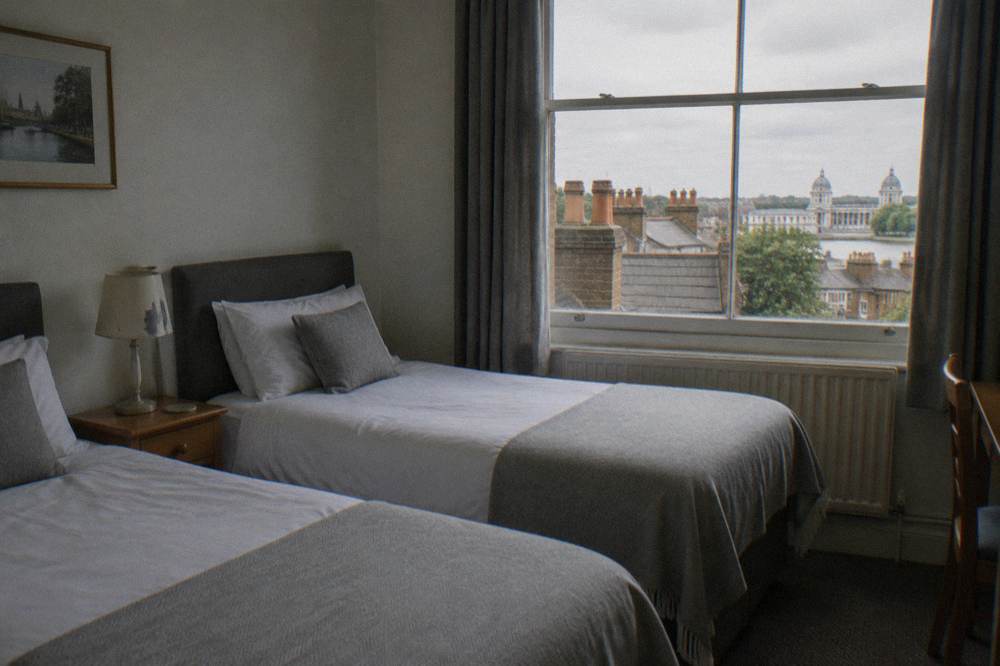
Zone 1 carries most of the hostel roster and a good share of the budget hotels: Generator London and Clink261 at King's Cross, St Christopher's London Bridge and Safestay Elephant & Castle on the south side, the Paddington and Bayswater hotels, and the Victoria cluster including The Z Hotel Victoria at 21 minutes to Charing Cross, one of the shortest centre times on the whole roster. Zone 1 also carries the highest private-room medians, which is the trade the previous section quantified. Other pages covering the same trip are gathered on Cheap Hotels London.
Zone 2's roster entries are where the arithmetic gets friendliest, because they keep the £8.90 cap. Camden's two hostels, Smart Camden Inn from £14 per bed per night and Palmers Lodge from £18, are both Zone 2 with 26 and 32 minutes to Charing Cross respectively. Hammersmith's Star Hotel, from £72 per night and rated 8.4 out of 10 across 1,964 reviews on the listing, is Zone 2 at 40 minutes, and its monthly sampled range of £94 to £180 shows how much the same room moves across the year, a range the cheapest months to stay in London guide covers month by month. That range matters more to the total bill than the £1.60 the cap adds, which is worth saying plainly: pick your month before you agonise over your zone.
The boundary rows deserve care rather than fear. A stay recorded as Zone 1+2, like Mowbray Court Hotel at Earl's Court or Central Hoxton Shoreditch, means the station sits where the zones meet, and the cap that applies depends on where you go that day, not on the label. Travelling only within Zones 1 and 2 still costs at most £8.90 a day from those stays. Only the outer cluster, Epsilon Hotel, Hotel DC, Snoozebox Olympic Park at Pudding Mill Lane, Zedwell Greenwich and Staycity Deptford Bridge, plus the Zone 2+3 apartments in Greenwich, needs the £10.50 figure as its planning cap, and even that only on days spent in the centre.
Star Hotel earns its solo card here for one reason tied to this section: it is the clearest example of a Zone 2 stay that keeps the cheap cap while pricing below several Zone 1 rooms. If your dates put it near its sampled £72 floor rather than its £180 summer ceiling, it is one of the better zone-versus-rate trades on the whole roster.
For stays around the edges of the roster's price floor, the London hostels type hub and the budget hotels hub both sort by area and zone, which is the fastest way to see the same split with live prices instead of sampled ones.
Do Bus Caps Change The Calculation?
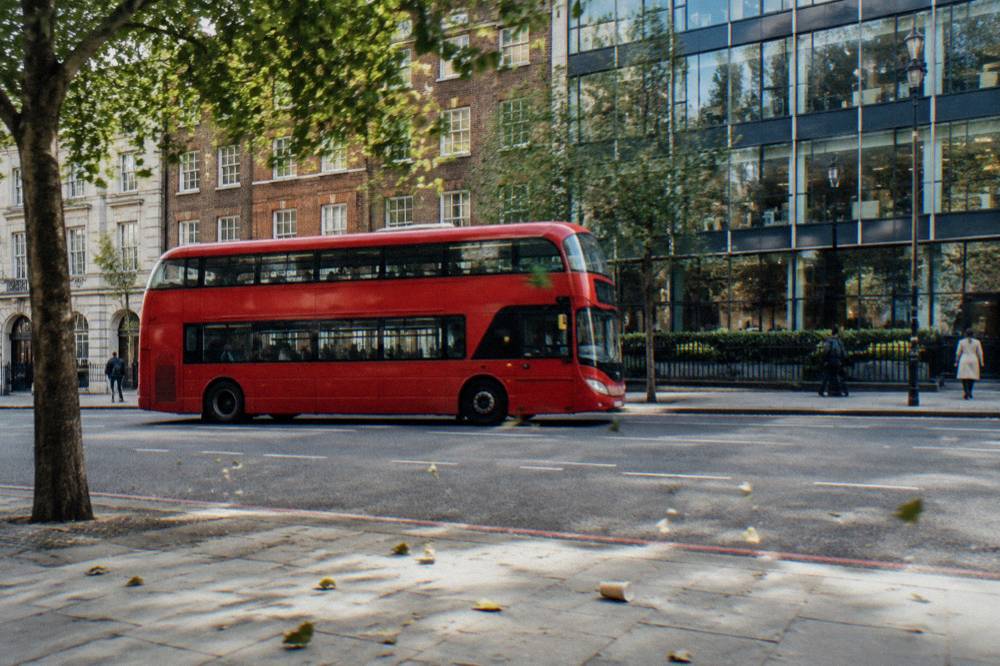
Yes, and more than you might expect: TfL's bus and tram pay-as-you-go single is £1.75 with a daily cap of £5.25, rising on 1 November 2026 to £1.85, a £5.55 daily cap and a £26.10 weekly cap. Since buses are not zoned, you can cross the whole roster by bus for far less than the £8.90 Zone 1-2 Tube cap, accepting slower journeys.
The bus and tram figures are published on TfL's fares page, which also documents the Hopper fare: unlimited bus and tram journeys within one hour of your first touch-in for the single fare. As always, check TfL for current fares near your travel dates, since the November 2026 change shows the numbers do move.
| Bus and tram fare | Adult pay as you go | Daily cap | Weekly cap |
|---|---|---|---|
| Single (with Hopper within the hour) | £1.75 | £5.25 | £24.70 |
| From 1 November 2026 | £1.85 | £5.55 | £26.10 |
What the bus cap does to the zone question is flatten it. Buses are not zoned, so the same £5.25 daily cap applies whether you sleep in Bayswater or in Stratford. A guest at Snoozebox Olympic Park, 1 minute from Pudding Mill Lane DLR, who commits to buses for most days cuts the planning travel cost from £10.50 to £5.25, which widens the outer-room advantage from a theoretical £1.60 to a real £5.25 a day against a Zone 1 stay travelling the same way. The cost is time again: buses across the full width of the roster's map, Stratford to Paddington for instance, are slow journeys, and the trade only makes sense for stays near enough to the centre that bus routes are direct.
For dorm-bed travellers the bus cap barely matters, because dorm rates are already low and dorm guests on this roster skew to the inner zones. For families comparing triple and family rooms, where the cap applies per adult and children's fares differ, the bus option is worth checking against the roster's family-capable rows such as City London Hotel in Southwark or the family rooms at Alhambra Hotel near King's Cross. The family-friendly hotels in London post covers those rows in detail.
Zedwell Greenwich appears here because it is one of the few roster stays where the bus argument genuinely applies: its capsule-style rooms from £60 sit in Zone 2+3, so the choice between the £10.50 Tube cap and the £5.25 bus cap is a live part of its cost, not an afterthought. Check availability for your dates if a slower, cheaper travel day suits your plans.
How Should Zone Costs Change Where You Book?
Work out your real daily travel band first, then compare rooms within it. Dorm guests can ignore zones almost entirely, since beds cluster at £14 to £20 across all zones. Private-room guests should apply the £1.60-per-night rule between the Zones 1-2 and Zones 1-3 caps, and anyone staying a week or more should weigh the weekly caps of £44.70 and £52.50 before choosing an outer stay.
Start with the honest hierarchy of costs on this roster. The month you choose moves the private-room median between £81 in January and £156 in October on the dates sampled, a swing of £75 a night. The zone choice moves the cap by £1.60 a day. Even a generous all-bus strategy saves only £3.65 a day against the Tube cap. Month first, room type second, zone third: that ordering matches the data, and any advice that leads with zone is leading with the smallest number on the page.
Two softer costs sit outside the arithmetic but inside the decision. The first is frequency of return trips: a guest who comes back to the room in the afternoon, families with children for instance, spends more of the day on transport, and the cap hides rather than removes that time. A Zone 1 stay like St. Athans Hotel in Bloomsbury, 5 minutes' walk from Russell Square, or Point A Hotel London Waterloo at 19 minutes, keeps return trips short at the cheap cap.
One cost that does not exist yet, but is worth knowing about, is the visitor levy. No visitor levy is charged in London yet. The government has said mayors will be given the power to introduce an Overnight Visitor Levy, that a Bill will follow, and that the levy will be charged as a percentage of the cost of accommodation rather than a flat fee, per the gov.uk announcement. Because it is designed as a percentage, the same protection logic that makes zone arithmetic worthwhile, small differences compounding over nights, will apply when it arrives; the visitor levy and VAT guide covers it in full. Meanwhile, accommodation in the UK carries VAT at the 20% standard rate, and whether a listed price includes it is shown on the live listing.
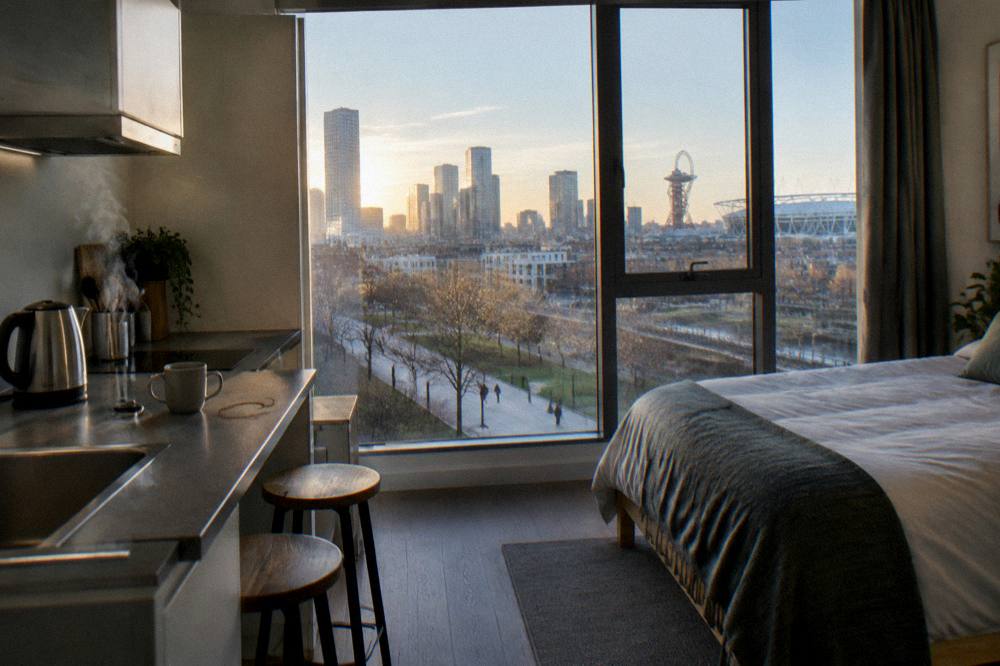
Snoozebox Olympic Park earns its place in this section because it sits exactly on the boundary the whole guide turns on: Pudding Mill Lane DLR is 1 minute away, the stay is recorded at Zone 2/3, and its sampled range of £66 to £89 is one of the narrower ones on the roster. That combination of a tight price range and a boundary zone makes it a good stay to test the £1.60 rule against your own dates.
When you get to the point of comparing two or three final rooms, re-run the table from the worked comparison section with your own dates: your room rate, your cap, your days. Sampled rates and published caps are planning inputs, and the live listing holds the number that will actually be charged. Check availability for your dates before deciding, because a room that looks a few pounds a night dearer in a sample can be cheaper on the nights you actually want, and that difference, not the zone label, is the one you pay (see Under 100 Pounds).
The short version of everything above: zones set your travel ceiling, caps make the ceiling known in advance, and the roster's own prices move more than either. If you take one habit from this guide, make it adding the cap to the room rate in your head before you compare two stays, and if you want three starting points that span the whole zone argument, the trio below covers a Zone 3 trade, a Zone 2 keeper of the cheap cap, and a Zone 2+3 boundary case.
Common Questions About London Travel Zones
How do London travel zones work?
London is divided into six concentric fare zones, with Zone 1 at the centre. Pay-as-you-go fares depend on the zones your journey passes through, and each station belongs to one or more zones. Where you stay sets the minimum zone coverage, and therefore the daily cap, that applies to your travel.
What is the daily cap for Zones 1 and 2?
TfL's capping page lists an adult daily anytime cap of £8.90 for Zones 1-2 on Tube, DLR, Overground, Elizabeth line and National Rail services, with a Monday-to-Sunday weekly cap of £44.70. Check TfL for current fares before you travel.
Is it cheaper to stay in Zone 3 and travel in?
Only if the outer room is more than £1.60 per night cheaper than the inner one, since the Zones 1-3 daily cap of £10.50 exceeds the Zones 1-2 cap of £8.90 by that much. On the roster's sampled rates, the cheapest Zone 3 rooms at £53 and above sit close to the cheapest Zone 1 room at £49 once caps are added, so the saving is marginal and the extra travel time is real.
Do buses have a cheaper cap than the Tube?
Yes. TfL lists a bus and tram daily cap of £5.25 for adults, rising to £5.55 from 1 November 2026, well below the £8.90 Zone 1-2 Tube cap. Buses are not zoned, so the same bus cap applies from any stay on the roster, at the cost of slower journeys.
Which zones do this site's stays cover?
The 42 stays run from Zone 1 to Zone 3, with boundary entries recorded as Zone 1+2 or Zone 2+3. Most stays need only the Zones 1-2 cap; only the Stratford, Forest Gate, Greenwich and Deptford Bridge cluster needs the Zones 1-3 cap for days spent in the centre.
Does where I stay in a zone affect travel time to central London?
Yes, and the zone number alone does not predict it. On the roster, a Zone 2 hostel at 26 minutes to Charing Cross beats a Zone 1 hostel at 34 minutes. Each stay's minutes-to-Charing-Cross figure, calculated with the TfL Journey Planner for a 10:00 weekday start, is printed beside it on this site.