Why Are Hotels In London So Expensive Right Now?
London all-hotel averages sit above £200 a night, but sampled budget stays run from £14 to £148. Here is why the headline numbers are high and where cheaper beds are.
You price-check a London hotel, see a number in the hundreds of pounds, and wonder what happened. The honest answer has three parts, and only one of them is about the room. London hotels averaged £214.90 a night in August across all star levels, per the RSM UK Hotels Tracker, with occupancy at 84.4 percent, unchanged year on year. Events pushed one Saturday in 2026 to around 95 percent occupancy citywide, per STR data cited at an industry event. And tax takes a fixed slice: UK accommodation carries VAT at the 20% standard rate, while the visitor levy that dominates headlines is not charged in London yet. Meanwhile the budget end of this same city, on the roster we track, samples at £14 to £148 per night, and properties like the Dolphin Hotel in Paddington still show a private room from £49.
Why Are Hotels In London So Expensive Right Now?
London looks expensive right now because the average you are seeing is an all-hotel figure across every star level, demand is running close to capacity, and 20% VAT is built into UK accommodation prices. London hotels averaged £214.90 a night in August across all star levels with 84.4 percent occupancy, per RSM's tracker. That average is not a budget rate. Sampled budget stays on this site's roster run from £14 to £148 per night.
Start with what the number actually is. When an industry tracker reports an average daily rate of £214.90 for London, that figure sweeps in every property from capsule hostels to five-star palaces. It is a market average, labelled here as such, not a price any budget traveller should expect to pay. PwC's forecast for the full year puts London hotel ADR at £193.50 with occupancy of 81.6 percent, another all-hotel figure. STR data cited in an industry outlook notes the typical average rate has held at about £193 since 2023. Rates did not suddenly spike; they have been sitting at this level for roughly three years, and year-to-date occupancy through August 2026 stood at 79 percent, flat against 2025.
The second pressure is events. Major concerts, including Harry Styles and Bruno Mars, were cited as demand drivers behind the August figures, and one Garth Brooks show at Hyde Park helped push citywide occupancy to around 95 percent on a single Saturday, per STR data cited at an industry event. When a city fills to that level on a Saturday, every hotel in it reprices. A shocked price-checker on that weekend sees the result. There is no hard data in our facts on how far ahead to book to dodge this, and we will not invent a booking-window figure, but the pattern in the month-by-month sampled rates on this site's own roster shows the same shape: dearer sampled months cluster in late spring and early summer.
The third slice is tax, and it is fixed rather than rising. Hotel and holiday accommodation in the UK is charged at the 20% standard VAT rate, per the government's VAT rates page. Whether a listed price includes VAT is shown on the live listing: do not assume either way. And the visitor levy you may have read about, the so-called tourist tax, is not charged in London yet.
The contrast that matters for a budget reader is simple. The sampled rates on this site's roster of 42 stays run from £14 per bed per night at Smart Camden Inn Hostel to £148 per night for a whole-unit apartment, with the lowest sampled private room at £49. Those are budget stays sitting far below a market average that luxury properties pull upward.
How Close To Full Are London Hotels?
Very close, and that is the mechanism behind the price you saw. Occupancy in August 2026 was 84.4 percent, flat year on year, with an average daily rate of £214.90, per the RSM UK Hotels Tracker. Year-to-date occupancy through August stood at 79 percent. On event Saturdays, citywide occupancy has reached around 95 percent, per STR data cited at an industry event.
Flat is the word the industry itself uses. An outlook piece titled "Flat Is the New Growth" carried the STR numbers: 79 percent year-to-date occupancy, a typical average rate holding near £193 since 2023, and strong seasonality around events. December 2025 closed at 81.4 percent occupancy with ADR rising to £246.23 from £239.66, per the RSM UK Hotels Tracker, which shows the Christmas and New Year pricing lift clearly. All of these are all-hotel averages across every star level, useful as context, never as a budget rate.
What does near-full occupancy do to a price-checker? It removes the discount mechanism. Hotels price by expected fill; a property forecasting 95 percent has no reason to sell the last rooms cheaply. The same logic reaches downmarket. On this site's roster, the sampled month-by-month dorm series climbs from a median of £20 in November 2026 to £34 in June 2027, and the private-room median climbs from £81 in January 2027 to £156 in October 2027, on the dates sampled. Those are one-night check-ins on the third Wednesday of each month, not a market study, but they show the same supply-and-demand shape at £20 that the £214.90 average shows at the top of the market.
How Much Of A London Hotel Price Is Tax?
UK hotel and hostel accommodation is charged VAT at the 20% standard rate, and that rate has applied under normal rules since 1 April 2022, per the government's hotel VAT notice. No visitor levy is charged in London yet: the government has said mayors will be given the power to introduce a percentage-based Overnight Visitor Levy, with a Bill to follow. No rate or start date exists.
The VAT position is settled and easy to state: accommodation carries the 20% standard rate, per GOV.UK's Hotels and holiday accommodation VAT notice. Whether the printed price on a live listing already includes it is shown on that listing, so check rather than assume. There is also a long-stay wrinkle worth knowing if you are booking a month or more: for continuous stays beyond 28 days, from the 29th day VAT is charged only on the non-accommodation element, with at least 20 percent of the remaining charge treated as facilities.
The visitor levy is where most confusion lives. Headlines call it a tourist tax and imply it is already on your bill. It is not. The government's announcement says mayors and local leaders will be handed the power to introduce an Overnight Visitor Levy, that the levy will be charged as a percentage of the cost of accommodation rather than a flat fee, and that a Bill will be introduced in due course, with spending plans expected by early 2028. The Mayor of London has welcomed the power. None of that adds a penny to tonight's rate, and no levy rate, cap figure or start date has been set, so any specific number you see quoted for a London tourist tax is not supported by the official record. Our full breakdown is in the guide to London's visitor levy and VAT.
So of the three headline explanations, tax is the constant, not the change. A £214.90 average was always going to carry 20 percent VAT within it. The movement you are noticing between this year and last is demand, not tax.
Market Averages Versus Sampled Budget Rates
The whole-market averages and the budget samples are different numbers describing different products. All-hotel averages ran £214.90 in August and £246.23 in December 2025, per RSM's tracker. The sampled rates on this site's 42-stay roster run from £14 per bed to £148 per room per night, with a median dorm bed of £20 and a median private room of £77.5.
The table below puts the two series side by side. Read the left column as market context, the reason the city feels expensive, and the right column as what a budget stay actually sampled at.
| Measure | All-hotel market average | Sampled budget rates (this roster) |
|---|---|---|
| August 2026 average daily rate | £214.90 (RSM UK Hotels Tracker) | Dorm median £20 to £34 by month; private median £81 to £156 |
| December 2025 average daily rate | £246.23 (RSM UK Hotels Tracker) | Sampled budget stays £14 to £148 |
| Full-year 2026 forecast ADR | £193.50 (PwC forecast) | Median private room £77.5 across 24 budget hotels and aparthotels |
| Occupancy | 84.4 percent in August 2026 | Not applicable |
| Tax treatment | 20% standard VAT rate | 20% standard VAT rate, same rule |
The gap is the whole story. A market average of £214.90 sits roughly 2.8 times above the sampled median private room of £77.5, and more than ten times above the median dorm bed of £20. None of that means the budget end is free of the pressures pushing the average; the sampled month series shows dorm medians rising from £20 in November to £34 in June, and the private median in October 2027 sampling is £156 against £81 in January. Cheap London accommodation gets dearer in the same months the luxury market does. The difference is the starting point. A traveller who moves from a mid-range double to a dorm at Clink261 by King's Cross or a shared-bathroom double at the Princess Hotel absorbs the seasonal lift on a much smaller base.
One more framing helps. The typical average rate across the whole market has held at about £193 since 2023, per STR data cited in an industry outlook. If London felt affordable to you three years ago and brutal now, part of that is memory and part is the event-calendar squeeze on specific weekends. The base level moved little; the spikes moved a lot.
Where Do The Cheaper Beds Sit In Price And Distance?
The lowest sampled dorm bed on the roster is £14 per night at Smart Camden Inn Hostel in Camden, and the lowest sampled private room is £49 at Dolphin Hotel in Paddington. Both are outside the very top price band. Stratford samples from £53, Greenwich from £60. Median travel times to Charing Cross run from 19 minutes in the Waterloo area to 47 minutes at the far edge of Stratford.
Zone 1 budget beds exist, but the cheapest band of the roster clusters where land is cheaper. The area table this site tracks shows Camden dorm beds sampling at a low of £14 with a median of £16 across two hostels, South Bank dorms at a low of £15 with a median of £20 across three, and King's Cross dorms at £18. On the private-room side, Stratford samples from £53 with a median of £65 across three stays, Greenwich from £60, and Paddington & Bayswater from £49, the latter pulled down by Dolphin Hotel's sampled rate. More of these guides are collected on Cheap Hotels London.
The trade is time. Stratford's three stays sit a median 44 minutes from Charing Cross by public transport against 26 minutes for Camden's four and 23.5 minutes for the South Bank group, on journeys starting at 10:00 on a weekday. A budget traveller comparing an £87 sampled double at The Z Hotel Victoria, 21 minutes out, against a £65 sampled double at Epsilon Hotel in Stratford, 44 minutes out, is buying back 46 minutes of daily travel for £22. Whether that is worth it is a personal call, but it is the real arithmetic behind "expensive London": the expensive city is the Zone 1 hotel market, and the cheap city is 20 minutes further out. Getting around is cheap by comparison: TfL's capping page lists adult daily caps for pay as you go, including Zones 1 to 2 at £8.90 and Zones 1 to 3 at £10.50, per TfL's fare capping page; check TfL for current fares.
What Is The Best Budget Hotel To Stay In London?
No single stay is best for everyone, and this site does not crown one. The lowest sampled private room on the roster is Dolphin Hotel in Paddington at £49 per night, rating 3.7 out of 5 across 845 reviews on the listing, with private bathrooms and family rooms. Epsilon Hotel in Stratford samples from £65 and rates 7.8 out of 10 across 3,311 reviews, for readers who weigh the review base more heavily.
The question deserves an honest, conditional answer rather than a winner. If the floor price is the criterion, Dolphin Hotel's £49 sampled rate is the lowest private room on the roster, five minutes from Paddington station, with the listing noting private bathrooms and family rooms. Its rating scale is 3.7 out of 5 across 845 reviews, a real base but a modest score; a reader who cares about that gap can compare within the same area, where Albro House Hotel samples from £72 and rates 7.6 out of 10 across 235 reviews.
If the review base matters more than the floor price, Epsilon Hotel in Stratford samples from £65 per night and rates 7.8 out of 10 across 3,311 reviews, in Zone 3, 44 minutes from Charing Cross. Within Zone 1, St. Athans Hotel in Bloomsbury samples from £75, rates 8 out of 10 across 1,824 reviews and sits 21 minutes from Charing Cross. And if the true floor is a bed rather than a room, the hostel on the roster at £14, Smart Camden Inn, rates 8.2 out of 10 across 3,538 reviews, which is a stronger review base than several hotels costing four times as much. The wider field is covered in our guide to the best cheap accommodation in London.
How To Read A Budget Listing Before You Book
Read four fields in order: the bathroom arrangement, the cancellation flag, the total for your dates, and the review count beside the rating. A sampled "from" rate is the lowest on the dates sampled and the live rate varies by date. Where a field reads Not stated, the listing does not state it; that is unknown, not no, and it is a reason to check before paying.
The sampled prices on this site are floors, not quotes. Dolphin Hotel samples from £49, but its month-by-month sampled range runs to £149 in October, and Urbany Hostel London's sampled dorm range runs from £20 to £147 across the same twelve months. The single most useful habit for a shocked price-checker is to compare like months: January sampling shows a private-room median of £81 against £156 in October, a near-doubling that has nothing to do with which hotel you picked.
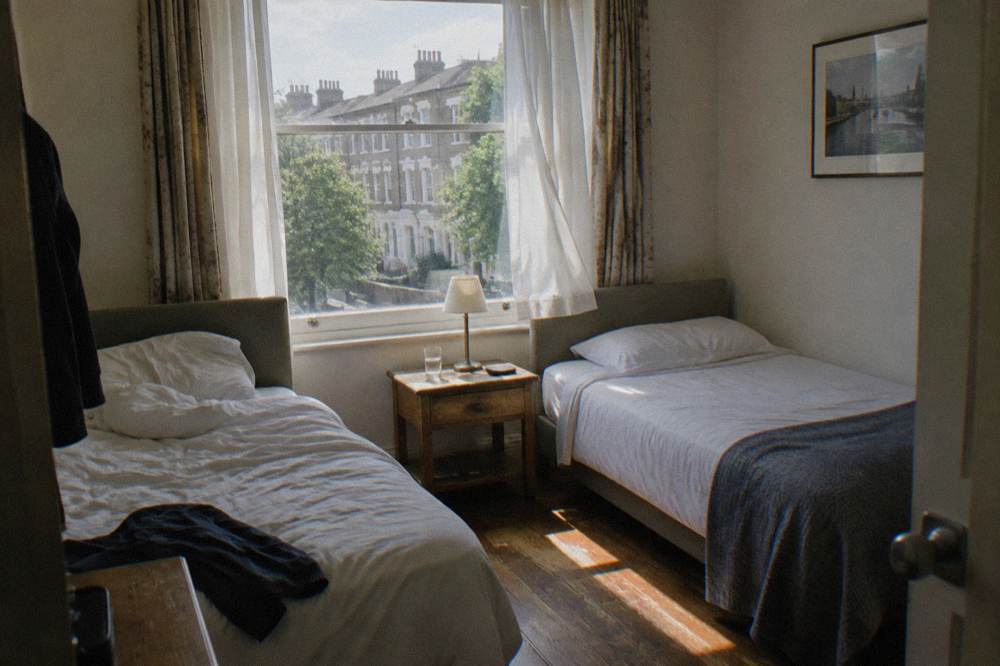
Second, read the bathroom line. Several of the cheapest hotels on the roster, including Princess Hotel and Prince Arthur, price rooms with shared bathrooms, while Dolphin Hotel and Mowbray Court Hotel list private bathrooms. A £62 shared-bathroom double and a £72 en-suite double are different products, and the price gap is the product gap, not a bargain. Third, check the cancellation flag on the specific listing: hostels on the roster such as Generator London and Palmers Lodge carry a free-cancellation flag, while many budget hotels print Not stated, which means the listing does not state it and you should confirm the terms on the live listing before booking. Our page on deposits, cancellation and check-in rules works through the fields.
Finally, put the review count beside the rating every time. An 8.4 from 1,964 reviews at Star Hotel in Hammersmith and a 4.6 from 1,362 at Staycity Deptford Bridge are findings; a strong score from a handful of reviews is a small sample, and a property with fewer than 15 reviews is one we make no rating claim about at all.
When Is London Actually Cheap?
On the dates sampled, January is the cheapest month: the dorm median is £20 and the private-room median is £81, both series lows. November 2026 matches the £20 dorm median. The dearest sampled months are June 2027 for dorms at £34 and October 2027 for private rooms at £156. The spread between cheapest and dearest sampled private months is £75 at the median.
The seasonal pattern is the budget traveller's main lever, and it is visible at every price level of the roster. The private-room median runs £123 in November 2026, drops to £81 in January, then climbs through £98 in February, £103 in March, £119 in April, £133 in May and £140 in June before easing to £104 in August and rising again to £150 in September and £156 in October 2027. All figures are one-night check-ins on the third Wednesday of each month, on the dates sampled. This is not a market-wide study and not a forecast; it is what the tracked stays actually sampled at.
For a reader who has just been shocked by a quote, that £81-versus-£156 median swing is bigger than any negotiation tip. Combine a January or February stay with the cheapest band of the roster, a dorm bed or a shared-bathroom double, and the sampled cost of a London night lands nearer a takeaway dinner than the £214.90 all-hotel average. The month-by-month detail, including the n counts behind each median, is in our guide to the cheapest months to stay in London, and the wider question of whether the hostel trade-off is worth it is covered in hotel versus hostel in London.
Common Questions About Expensive London Hotels
Why Are Hotels In London So Expensive Right Now?
All-hotel averages sit above £200 because occupancy is high, around 84.4 percent in August, event weekends push citywide fill toward 95 percent, and 20% VAT applies to UK accommodation. The £214.90 August figure is a whole-market average across all star levels, not a budget rate. Sampled budget stays run from £14 to £148 per night.
Is London adding a tourist tax to hotel bills?
No visitor levy is charged in London yet. The government has said mayors will be given the power to introduce an Overnight Visitor Levy, charged as a percentage of the accommodation cost, with a Bill to follow. No rate, cap or start date has been set.
What Is The Best Budget Hotel To Stay In London?
There is no single winner, but the lowest sampled private room on this roster is Dolphin Hotel in Paddington at £49 per night, rating 3.7 out of 5 across 845 reviews. Epsilon Hotel in Stratford samples from £65 and rates 7.8 out of 10 across 3,311 reviews for readers who weigh the review base more heavily.
When is the cheapest month for a London hotel?
On the dates sampled, January is cheapest, with a dorm median of £20 per bed and a private-room median of £81 per night. October sampling is the dearest for private rooms at a median of £156, and June for dorms at £34.
Does the £214.90 average mean budget hotels cost that much?
No. That figure is an all-hotel average across every star level, including luxury, per the RSM UK Hotels Tracker. Budget stays sampled on this site run from £14 per dorm bed to £148 for a whole apartment, with a median private room of £77.5.
The cheap end of London has not vanished; it has just stopped being the number quoted in headlines. Cheap Hotels London tracks the sampled rates so you can see both sides of the gap for your own dates, starting with the stays compared above.