Is London Expensive For Tourists?
London's whole-market hotel average is £214.90 a night, but sampled dorm beds start at £14. Here is what a stay actually costs, layer by layer.
London's headline reputation is that it costs a fortune to sleep in. The honest answer is more layered than that. In August, hotels across the city averaged £214.90 a night, per RSM UK's Hotels Tracker, and that is a real figure covering every star level from hostel-adjacent guesthouses to suites. Yet on the same city's budget end, the lowest sampled dorm rate on this site's roster is £14 per bed per night at Smart Camden Inn Hostel, and the lowest sampled private room is £49 at Dolphin Hotel. London is expensive if you buy the average product. It is far less expensive if you buy the bottom of the market deliberately.
Is London Expensive For Tourists?
Yes at the market average, no at the budget end, and the gap is enormous. Hotels across the city averaged £214.90 a night in August, per RSM's tracker, while sampled dorm beds on this roster run from £14 and private rooms from £49. A visitor who shops the bottom tier pays a fraction of the headline average, so the answer depends almost entirely on which layer of the market you buy.
The £214.90 figure needs context before it frightens anyone. It is an average daily rate across the whole London hotel market, luxury included, tracked by RSM UK using Hotstats data. It is not the price of a budget room. PwC's forecast for the full year puts the citywide average at £193.50 with occupancy of 81.6 percent, and STR data cited by Hertelier notes the typical average rate has held near £193 since 2023. These are market-level numbers, useful for understanding why budget rates look low by comparison and useless as a prediction of what you will pay.
Against that backdrop, the sampled rates on this roster read almost like a different city. The median dorm bed across the 12 hostels is £20 per bed per night. The median private room across 24 budget hotels and aparthotels is £77.5 per room per night. Whole-unit apartments run from £110 to £148 per night. None of those figures is a market study; each is the lowest rate found on specific sampled dates, and live rates move with demand.
There is also a tax layer that is smaller than rumour suggests. No visitor levy is charged in London yet. The government has said mayors will be given the power to introduce an Overnight Visitor Levy, charged as a percentage of the accommodation cost rather than a flat fee, with a Bill to follow; nothing is being added to your bill today. Hotel accommodation does carry VAT at the 20% standard rate, per the government's VAT rates page, though whether a displayed price already includes it is shown on the live listing.
The practical reading is that the scare number and the budget number describe two different purchases. The £214.90 average is dominated by properties this site never lists: four- and five-star rooms whose rates pull the mean upward. The budget roster is a separate economy with its own price ladder, its own seasonality and its own geography. Treating the tracker figure as your expected bill is the single most expensive mistake a cost-anxious visitor can make, because it pushes people to over-budget or to skip the city entirely when a £14 bed and a £5.25 bus day would have covered their week comfortably.
What Is The Average Cost Of A Trip To London?
No single average trip cost exists in the verified data, and any total we assembled would invent figures. What the facts do support is a layered picture: whole-market hotels averaged £214.90 a night in August, sampled budget beds run from £14, and transport caps at £8.90 a day for Zones 1 to 2. We will not total a trip budget from numbers that are not in the facts, but the layers themselves can be priced honestly.
Plenty of articles will quote you a neat "average trip to London costs X". Those totals mix star levels, seasons and spending styles into one number that describes nobody's actual trip. The verifiable approach is to price each layer separately and let you assemble your own total. The layers this site can price from verified data are three: the bed, the daily transport, and the market context that explains why the bed looks cheap against the headlines.
| Cost layer | Verified figure | What it is | Source |
|---|---|---|---|
| Whole-market hotel average | £214.90 a night | All star levels, August | RSM UK Hotels Tracker |
| Full-year forecast average | £193.50 a night, 81.6% occupancy | 2026 forecast, all star levels | PwC forecast |
| Lowest sampled dorm bed | £14 per bed per night | Smart Camden Inn Hostel | Sampled roster rate |
| Median sampled dorm bed | £20 per bed per night | Across 12 hostels | Sampled roster rates |
| Lowest sampled private room | £49 per night | Dolphin Hotel | Sampled roster rate |
| Median sampled private room | £77.5 per night | Across 24 budget hotels and aparthotels | Sampled roster rates |
| TfL daily cap, Zones 1-2 | £8.90 | Adult pay as you go, anytime | TfL capping page |
Read the table top to bottom and the shape of the answer appears. The market average and the budget floor differ by more than a factor of ten for a bed, and by more than four times for a private room. The transport layer, capped by TfL's published daily caps, adds less per day than most people assume.

Consider what a week actually looks like at the sampled floor. Seven nights at the median dorm rate of £20 keeps the bed at the same price as a single night in some mid-range rooms elsewhere in the city. Seven nights at the median private rate of £77.5 lands well under what the whole-market average charges for three. Add the daily Zones 1 to 2 cap of £8.90 for a full week of unlimited-peak travel, or the bus-and-tram-only cap of £5.25 a day if you slow down and stay surface-level, and the transport layer stays smaller than the bed layer on any budget choice. Those comparisons describe the cheap version of London, and they describe it without any invented figure.
The layer that most budget guides skip is the quality layer, because cheap only counts if the bed is tolerable. The roster's own ratings answer that concern with unusual force at the hostel end. Wombat's City Hostel London scores 9.1 out of 10 across 19,145 reviews on its listing. Onefam Notting Hill scores 9.8 out of 10 across 4,254 reviews. Urbany Hostel scores 9.6 out of 10 across 2,112. Those are large review bases by any standard, and they are attached to beds sampling from £20, £20 and £21 per night respectively. The budget floor in London is not a gamble on unknown properties; it is a market with documented, heavily reviewed inventory.
What Is The Average Cost For A Trip To London?
The same caution applies to this phrasing: no verified average trip total exists in the facts, only the market average rate of £214.90 a night and the sampled budget rates below it. What changes the total most is month, not spending style. Sampled dorm medians range from £20 in November and January to £34 in June, and private room medians from £81 in January to £156 in October.
The monthly series is where a cost-anxious traveller gains real power over the bill. These are median sampled rates for one-night check-ins on the third Wednesday of each month, not a market-wide study, but the pattern is stark. January is the cheapest month on both series, with dorm beds at a £20 median and private rooms at £81. October is the dearest for private rooms at £156, and June the dearest for dorms at £34.
| Month | Dorm bed median | Private room median |
|---|---|---|
| November 2026 | £20 | £123 |
| January 2027 | £20 | £81 |
| March 2027 | £24 | £103 |
| June 2027 | £34 | £140 |
| August 2027 | £27 | £104 |
| October 2027 | £28.50 | £156 |
A private room in January costs roughly half the same market's October median. The saving from shifting a week is larger than the saving from any booking tactic. For a deeper read on timing, our guide to the cheapest months to stay in London works through the full series month by month.
Market context explains the seasonal swing. In August, London occupancy ran at 84.4 percent, flat year on year, with rates lifted by major concerts; STR data cited at an industry event put one Saturday near 95 percent occupancy around a Hyde Park show. When rooms fill, the whole price ladder climbs, and the budget rungs climb with it.
Notice too that the two series move differently. The dorm median barely doubles from its cheapest month to its dearest, from £20 to £34, while the private room median nearly doubles from £81 to £156. Private rooms absorb event demand harder than dorm beds do, which means the case for hostels strengthens precisely in the months most people want to visit. A summer visitor weighing a hotel against a hostel is not comparing like for like; they are comparing the more price-volatile product against the steadier one.
Individual properties show even wider swings than the medians. Urbany Hostel's sampled monthly range runs from £20 to £147 across the year. Smart Camden Inn Hostel runs from £14 to £50, and Clink261 from £18 to £44. The lowest sampled rate is a January or November artefact at many properties, so treat any "from" figure as a fair-weather price floor rather than a rate you should expect on an August Saturday. Check availability for your dates before committing to a mental budget built on the cheapest month.
Why The Headline Average Misleads Budget Travellers
The £214.90 average covers every property from two-star guesthouses to five-star suites, so it cannot predict a budget room's price. Averaging luxury into the number roughly triples what a median budget private room costs on the sampled dates. The right comparison for a budget traveller is the sampled floor: £14 for a dorm bed, £49 for a private room, £110 for a whole apartment.
Averages of heterogeneous markets describe the market, not the shopper. The bottom tier of London beds is tracked by this site's roster, 42 stays across hostels, budget hotels, aparthotels and apartments, and its sampled medians sit far below the tracker figures. That is not a contradiction. It is the difference between what the whole market charges and what the cheapest quartile charges. Other pages covering the same trip are gathered on Cheap Hotels London.
The budget tier is also more varied than the average suggests. Wombat's City Hostel London samples from £21 per bed per night and includes breakfast, which changes the real daily cost of staying there. St Christopher's London Bridge samples from £15 and sits 24 minutes from Charing Cross, closer than several pricier options. Neither number appears anywhere in a citywide average.
One guest review of Wombat's, copied verbatim from the listing, reads: "I think this was a great place to stay. It was clean and comfortable." Reviews like that matter at the budget end because the fear is always that cheap means grim. The roster's ratings say otherwise more often than not: Palmers Lodge Swiss Cottage scores 8.7 out of 10 across 17,411 reviews, and Wombat's itself 9.1 out of 10 across 19,145, both on their listings' own scales.
Area medians tell the same story with geography added. Stratford's three budget hotels post a £65 median private rate but sit a median 44 minutes from Charing Cross. Camden's dorms post a £16 median with a 26-minute median journey. Paddington and Bayswater, with eight stays and everything in Zone 1, post a £72 private median at a 31.5-minute median journey. None of these area numbers is visible in a citywide average either, yet they are the figures that actually decide what a visitor pays. The trade is always the same one: minutes for pounds, and the monthly table decides how many pounds.
What Transport Actually Adds To A London Stay
Transport adds less than most visitors fear, because pay-as-you-go fares are capped daily. TfL's published caps are £8.90 for Zones 1 to 2, £10.50 for Zones 1 to 3 and £12.80 for Zones 1 to 4, and bus and tram travel caps at £5.25 a day with a £1.75 single that includes unlimited transfers within an hour. Check TfL for current fares before you travel.
The cap changes where you can afford to sleep. A hostel in Zone 2 does not carry a punishing commute penalty, because the daily cap is the daily cap regardless of how many journeys you make within the zones. Even a Zone 3 budget hotel like Epsilon Hotel in Stratford, sampling from £65 a night, keeps your daily travel within the £12.80 Zones 1 to 4 cap. The cheaper bed can absorb the wider cap and still come out ahead.
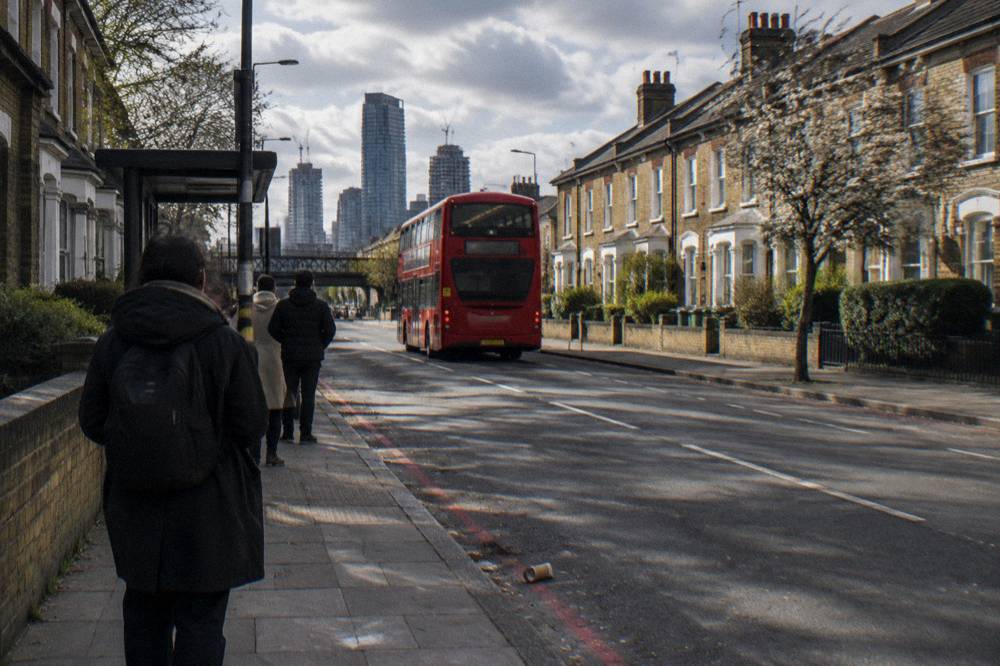
The bus layer is the quiet bargain. TfL's bus and tram fares page lists the adult single at £1.75 with the Hopper fare allowing unlimited journeys within an hour of the first touch, and a daily bus-and-tram cap of £5.25. From 1 November 2026 those figures rise to a £1.85 single and a £5.55 daily cap, with a weekly cap of £26.10. A visitor who plans around buses pays roughly half the Tube cap on any day with heavy travel.
Set the transport layer beside the bed layer and the proportions are clear. The bus-only daily cap of £5.25 is roughly a third of the £14 dorm floor at Smart Camden Inn Hostel, and less than a tenth of the whole-market hotel average. The Zones 1 to 2 Tube cap of £8.90 still sits below the £20 dorm median. In other words, on any budget choice from this roster, the daily travel bill is the smaller number and the nightly bed is the larger one. The same city's average hotel room costs more than twenty times the daily bus cap, which is the cleanest single illustration of why the sleeping decision, not the getting-around decision, is where London trips get expensive.
The geography of the roster backs this up. Six of the ten areas carry stays within a 26 to 35 minute journey of Charing Cross, and the fastest areas on the roster, Point A Hotel's Waterloo location at 19 minutes among them, are not the dearest. South Bank, Waterloo and London Bridge posts a £20 dorm median with a 23.5-minute median journey, one of the best time-to-price ratios on the whole sheet. Cheap and central are not opposites here; several roster rows prove it directly.
What Is The Best Budget Hotel To Stay In London?
No verified "best" exists, and we will not crown one. The data supports three honest standouts by purpose: Dolphin Hotel samples from £49, the lowest private room on the roster; Smart Camden Inn Hostel samples from £14, the lowest bed; and Epsilon Hotel samples from £65, the lowest Zone 3 private base. The right pick depends on whether you prioritise price, privacy or space.
Dolphin Hotel in Paddington is the answer for the cheapest door you can lock. Its sampled rate of £49 per night is the lowest private room on the roster, five minutes from Paddington station, rated 3.7 out of 5 across 845 reviews on the listing. That rating is middling, and honest reporting means saying so: you are buying price and location, not polish.
Smart Camden Inn Hostel is the answer for the absolute floor. At £14 per bed per night, rated 8.2 out of 10 across 3,538 reviews, four minutes from Mornington Crescent station, it is the cheapest bed on the roster and its review base is large enough to trust the score. One guest review, copied verbatim from the listing, reads: "The room was very clean and so was the rest of the hostel. The common rooms were very relaxing." Epsilon Hotel in Stratford is the answer further out: from £65 a night, 7.8 out of 10 across 3,311 reviews, 44 minutes to Charing Cross, trading journey time for a lower private-room rate.
Beyond those three, the budget hotels hub carries all 18 budget hotel rows, and the wider question of how much a night should cost is worked through in our guide to nightly hotel prices in London. For stays at the whole-unit end, short-stay apartments in London cover the apartment option, sampled at £110 to £148 per night, while aparthotels in London cover the serviced middle ground from £69 sampled at Staycity Deptford Bridge.
Families get a different shortlist again, because the cheapest rows are built for solo travellers and couples. Dolphin Hotel lists family rooms alongside its doubles, Park Villa lists family rooms at the dorm end from £26 per bed, and City London Hotel lists a Family Room from £125 sampled. The family question is worked through properly in our piece on the best family-friendly hotels in London, but the headline for cost purposes is that family inventory exists at every price tier on the roster, not only at the top.
Check availability for your dates before assuming any sampled rate holds, because every figure above is the lowest rate on specific dates and live pricing moves with demand. Comparing Smart Camden Inn Hostel, Dolphin Hotel and Epsilon Hotel side by side on their live listings is the fastest way to see which floor applies to your week.
Common Questions About London Costs For Tourists
Is London Expensive For Tourists?
At the market average, yes: hotels across all star levels averaged £214.90 a night in August, per RSM's tracker. At the budget end, no: sampled dorm beds run from £14 per bed per night and private rooms from £49. Which London you get depends on which layer you buy.
What Is The Average Cost Of A Trip To London?
No verified average trip total exists in this site's facts, and we will not invent one. The layers that can be priced are the bed, from £14 sampled, and transport, capped at £8.90 a day for Zones 1 to 2 or £5.25 by bus and tram.
What Is The Average Cost For A Trip To London?
The honest figure is the market average nightly rate, £214.90 in August across all star levels, set against sampled budget medians of £20 for a dorm bed and £77.5 for a private room. Your total depends on month: January samples cheapest, October dearest for private rooms.
What Is The Best Budget Hotel To Stay In London?
There is no verified best. Dolphin Hotel samples lowest for a private room at £49 per night, Smart Camden Inn Hostel lowest for a bed at £14, and Epsilon Hotel lowest in Zone 3 at £65. Each suits a different priority: privacy, price or space.
Is There A Tourist Tax In London?
No visitor levy is charged in London yet. The government has said mayors will be given the power to introduce a percentage-based Overnight Visitor Levy, with a Bill to follow. Hotel stays carry VAT at the 20% standard rate.